
Most Italian’s perspective of wine is influenced by their culture, such as the history and traditions. The Italian culture focuses on art, family, architecture, music, and food. Within the Italian cuisine, wine is occasionally used as an ingredient for many classic dishes. Wine is also the drink of choice for many Italians! Wine is viewed as a significant part of Italian culture, and has been throughout its entire history.
The Greeks are credited for introducing wine to Italy. Their everyday lives already included drinking and producing wine, which they continued to do when they settled throughout southern Italy. After the Greeks realized Italy was covered in fertile land, they brought over their vines, and began growing grapes. Italy’s rich soil and Mediterranean climate provided perfect conditions for their vines to grow. Eventually, the Greeks named their land Oenotria, meaning “land of wine”.

The Etruscans are a group of people that settled throughout central Italy. They used the grapevines introduced by the Greeks to begin producing their own wine. The wine making techniques used by the Etruscans are said to be “ahead of their time”. They would store crushed grapes in a clay container, and bury them in the ground. The cooler temperatures from the ground had a positive effect on the fermentation cycle. The Etruscan’s temperature controlled fermentation technique produced highly desirable wines. Unfortunately, the Etruscan civilization was conquered by the Romans.
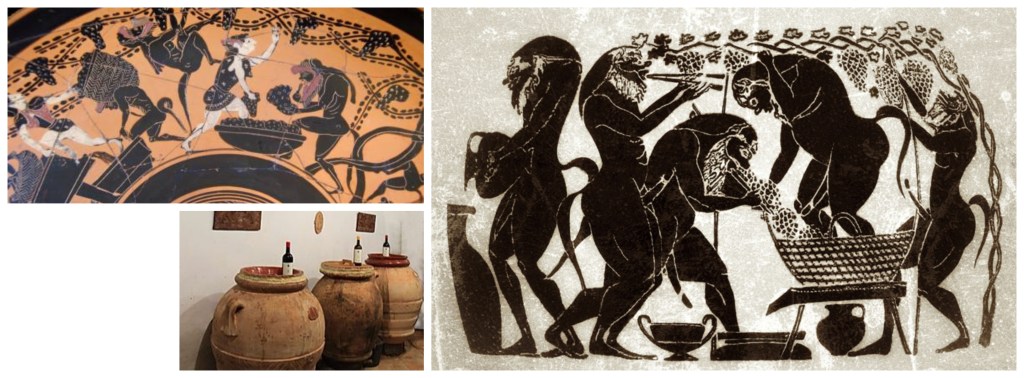
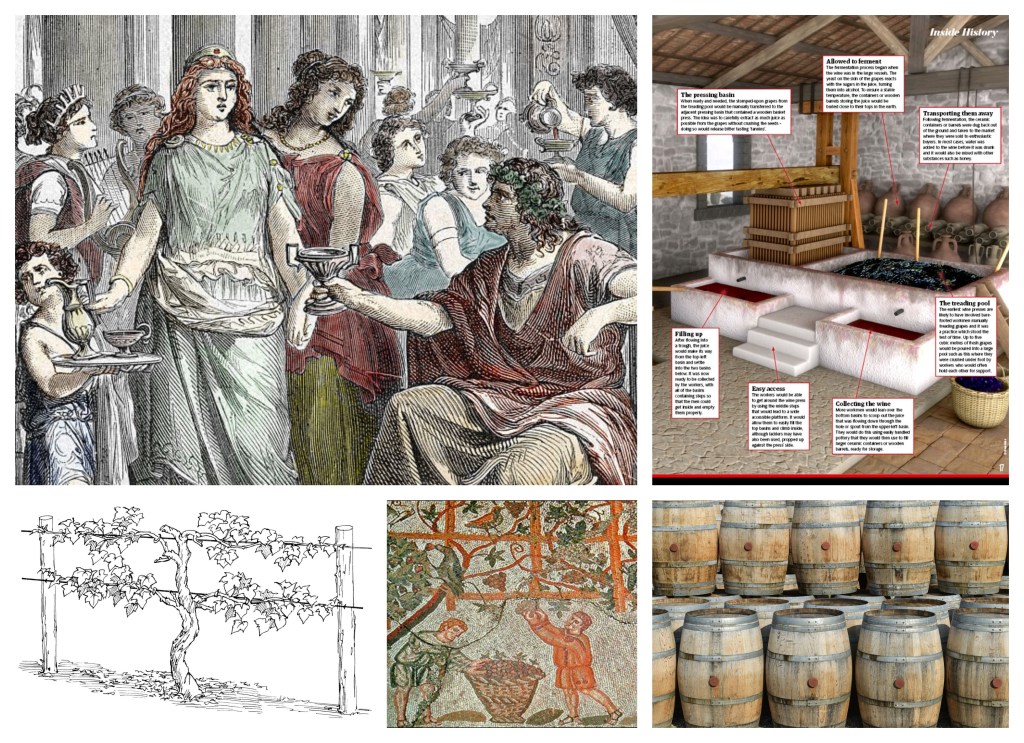
With the Roman Empire expanding, the market for wine also started to increase. The Romans began producing their own wine, which led to the importance of wine in the Roman society. Wine made in the Roman Empire was often mixed with water because the alcohol content was very high. Today, Italians would most likely cringe at the thought of adding anything extra to a glass of wine, but that is exactly what many Romans did. They would often mix their wine with honey, herbs, spices, salt, or even chalk. Despite their strange way of drinking wine, the Roman Empire became the leader of the wine industry. The Roman Empire started using trellises (structures that support the growth of vines), and they upgraded their wine presses to extract more juice. The Romans even began discovering which grape varieties thrived in which climate. By improving certain wine making processes, the Roman Empire was able to harvest larger amounts of grapes, and produce a higher quality wine. Also, the Roman Empire invented the wooden barrel, to hold a wine while it aged to perfection. Finally, they sold their wine throughout Europe, causing many regions to embrace and practice the Roman’s improved techniques. Sadly, the fall of the Roman Empire caused a decrease in the need for wine, which continued through the Dark Ages. The need and desire for wine increased once again during the Renaissance.
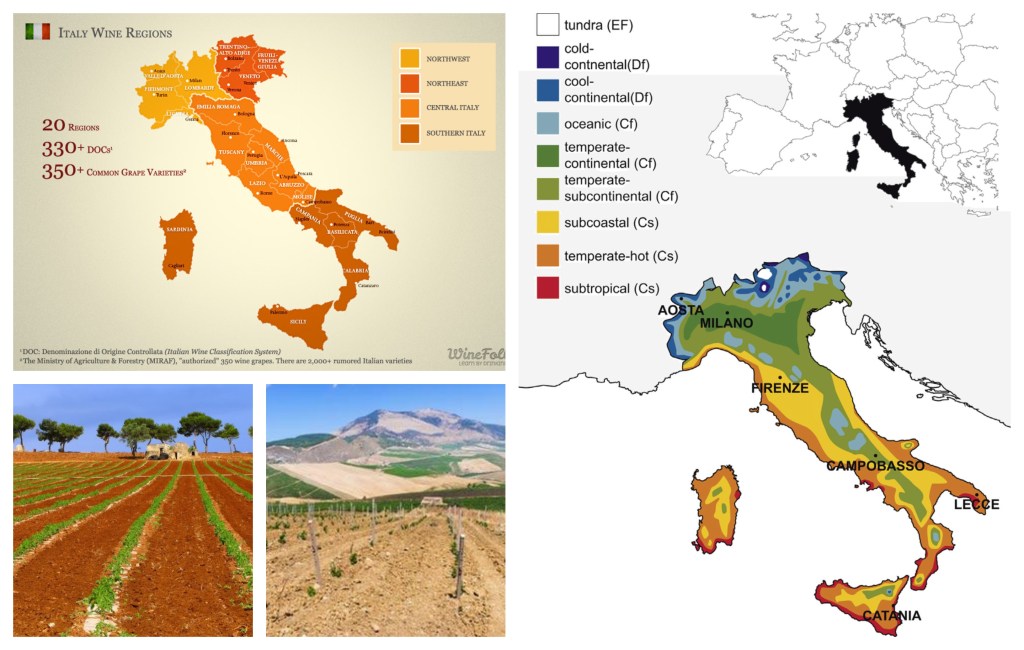
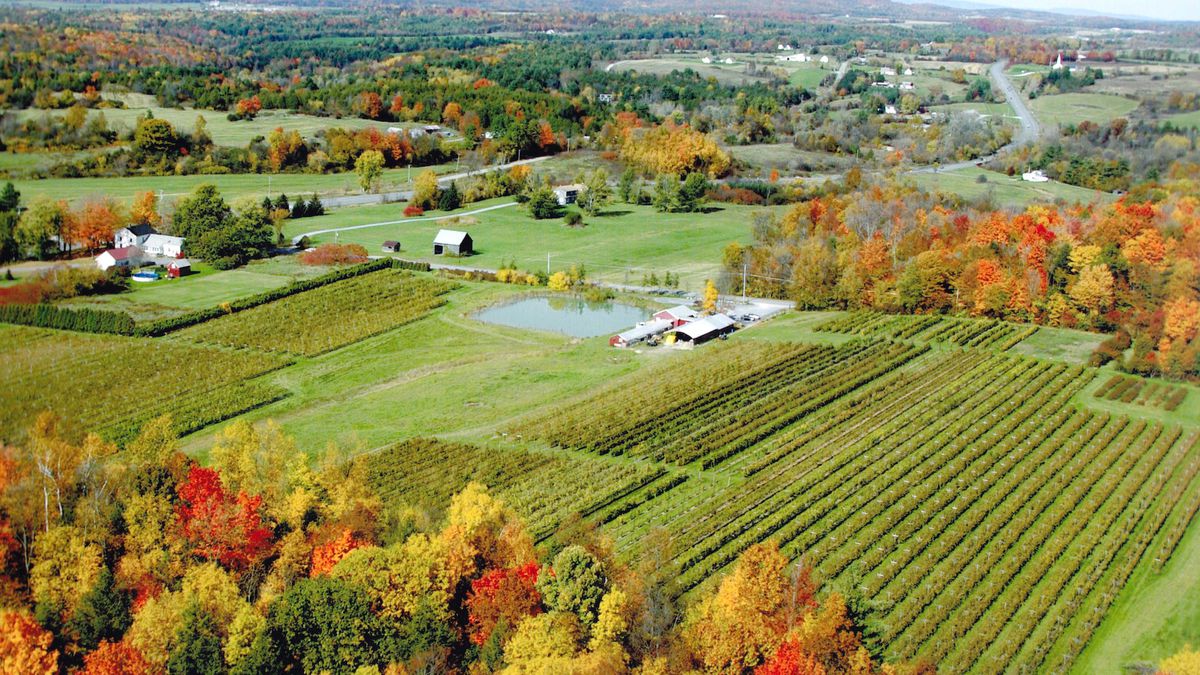
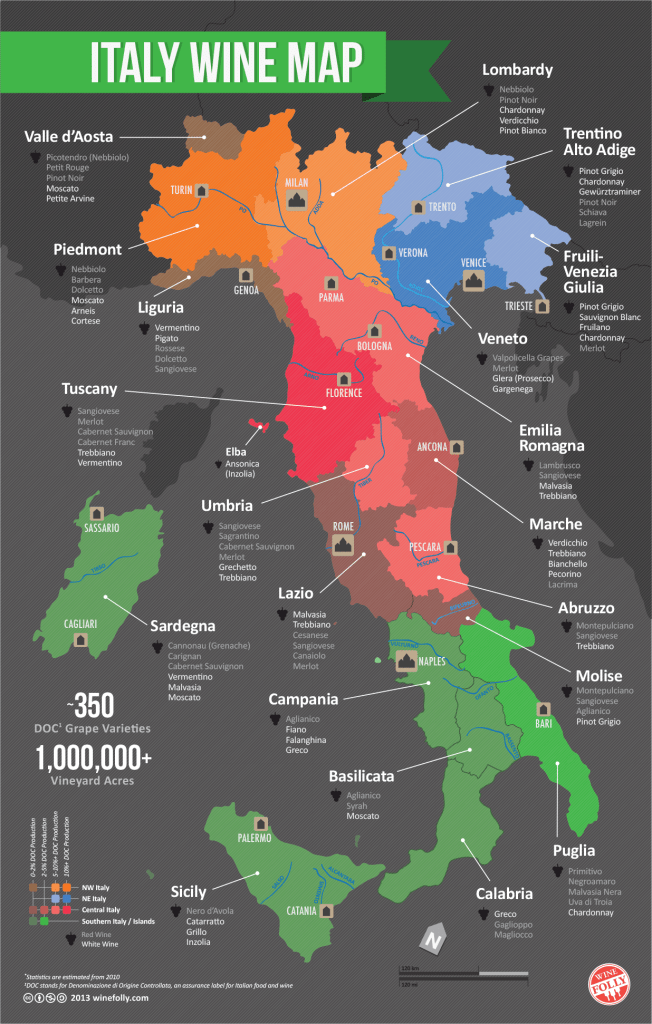
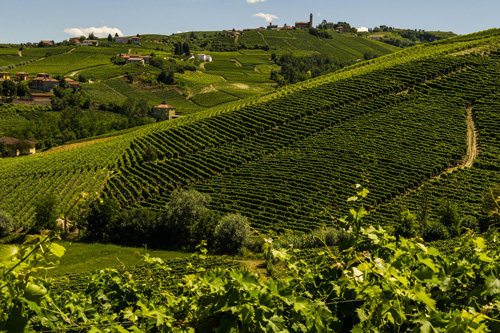
Today, Italy is the world’s largest producer of wine. Over 300 varieties of wine are made in Italy, throughout every region. The differences between each region, such as climate, soil, and regional traditions, can affect the production of wine. Italy experiences a Mediterranean climate, but that climate can vary in certain regions. Northern regions are known for their very hot, humid summers, and their cold, harsh winters. The central regions are more mild, and have smaller temperature differences between summer and winter. Their winters are less harsh, and shorter, resulting in a longer summer. The winters in the southern regions are normally mild and rainy. Spring, summer, and fall weather in the southern regions typically match, which results in a very long, hot, and dry summer. The soil found throughout Italy ranges from an acidic sand found on the northern mountains, to the practically unworkable clay found in Bologna and Tuscany, to the dry, chalky ground along the coast. Regional traditions describe the different varieties of grapes grown, and the unique types of wine produced in each region.
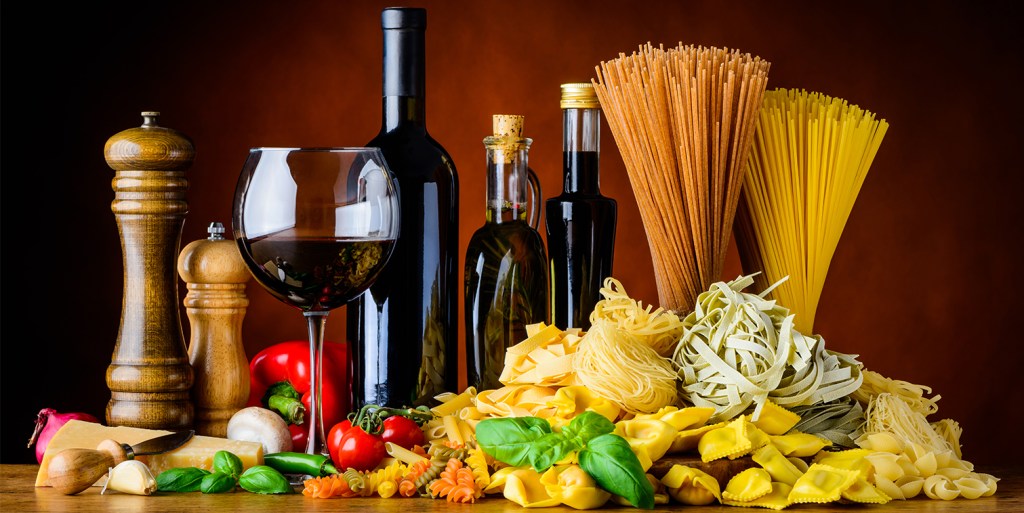
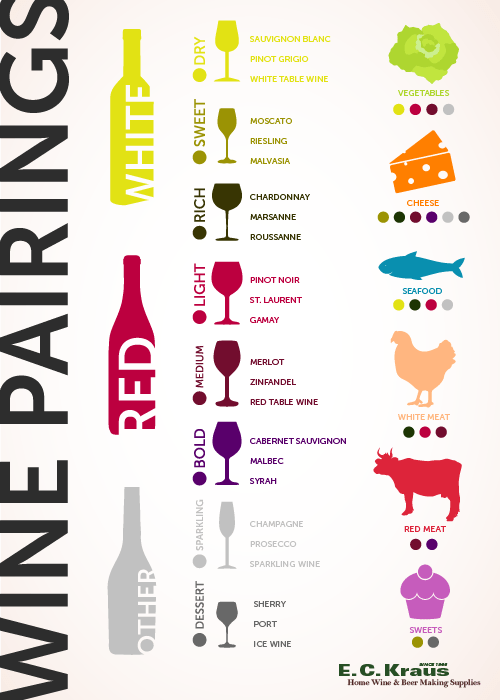
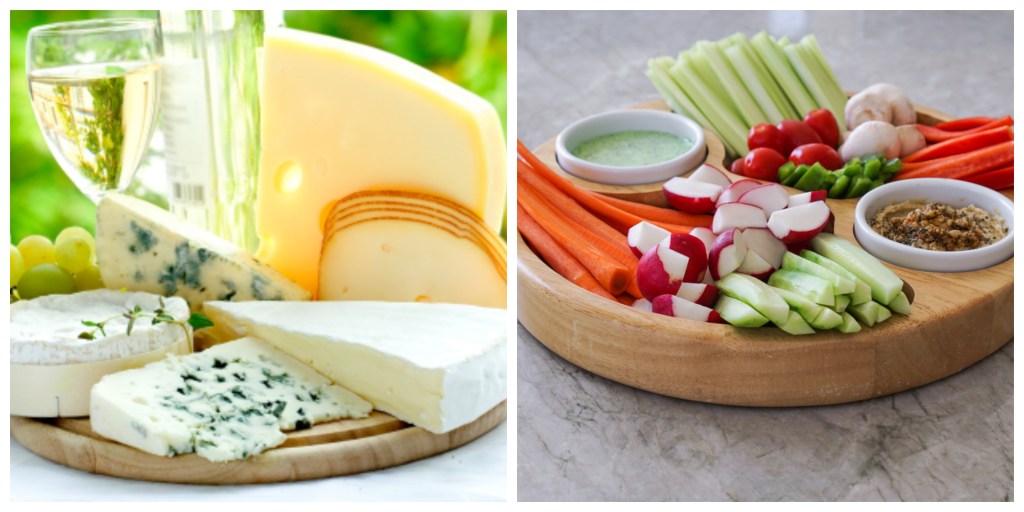
Almost always, Italians drink wine with food. If they are out at a bar, drinking with friends, they will receive a platter of cheeses, breads, meats, olives, and/or other vegetables. More commonly, a glass of wine is consumed during a meal, whether it is at home or in a restaurant. Italians enjoy pairing their wine to the food they are eating. The correct pairing can improve the overall taste of a dish, while enhancing the flavor of the wine.
Some Italian wines are poorly made, and some are of the highest quality possible. But, most wines are considered in between, or of good quality. With this being said, Italians do not view wine as a pretentious drink. They like to enjoy any and all qualities of wine, and will respect someone else for doing the same.
Unlike the United States, where wine can be found from anywhere in the world, Italians only drink wine they produced! Italy has a larger range of grape varieties than any country. With the many different types of wine being produced in every region, Italians believe they do not need to drink another country’s wine.

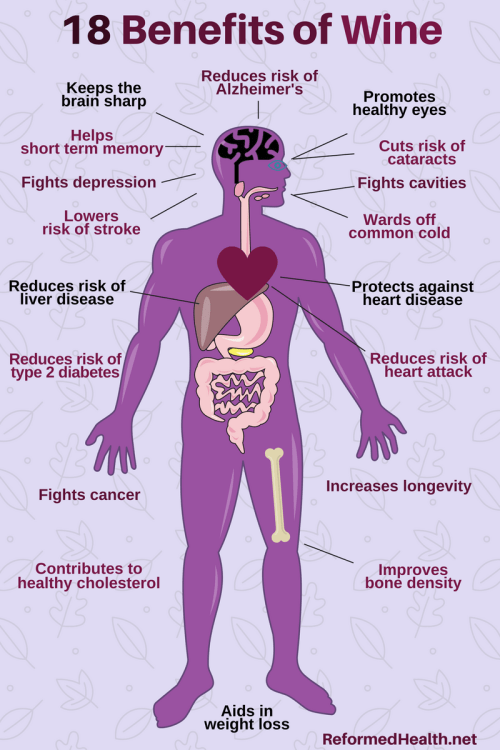
Wine is an essential part of the Mediterranean diet, and even has several health benefits. Resveratrol, a compound in wine, is associated with boosting heart health, protecting against some cancers, and preventing some types of vision loss. These health benefits, along with many others, are commonly found in populations around the Mediterranean Sea. Check out this website for all health benefits of wine: https://www.medicalnewstoday.com/articles/265635#benefits.
The “Italian way” of wine making and drinking is influenced by the history, traditions, techniques, and cultural significance of Italian wine. Wine in Italy has been around for thousands of years, and many Italians are proud of its long history. The traditions and techniques of wine making are essential to produce the various types of Italian wines. Finally, the cultural significance of wine is defined by how, when, and why Italians drink wine.
Sources:
https://www.livescience.com/44376-italian-culture.html
https://www.worldwidewinetours.com/italy/italian-wine/
https://sedimentality.com/wine-history/the-history-of-wine-in-italy/
https://www.wine-searcher.com/regions-italy
https://www.lagazzettaitaliana.com/food-and-wine/8078-a-tour-of-italy-s-top-wine-regions
https://fsmomaha.com/how-italians-drink-wine/
https://www.medicalnewstoday.com/articles/265635#benefits
http://www.italia.it/en/useful-info/the-climate-in-italy.html
Understanding Italian soil – The key to successful gardening in Italy


 Anna's Italian Food Adventures